Postdoctoral Research Fellow in Science and Technology Studies (STS)
Licensing system: the case of aquaculture
About the project
The licensing system is a key arrangement in Norwegian environmental policy and is both a tool of democracy and a tool for the appropriation of land and natural resources for societal and economic ends. The goal of the APPROPRIATE project is to investigate the licensing system: how different valuation practices play out in planning and decisions making processes, how economic reasoning and other forms of expertise are taken into account, and how dilemmas and conflicts in processes towards accomplishing good licensing procedures are negotiated and handled. The licensing system will be analyzed with a point of departure in the contemporary situation, but will also study the licensing arrangement in its broader historical, political and economic context.
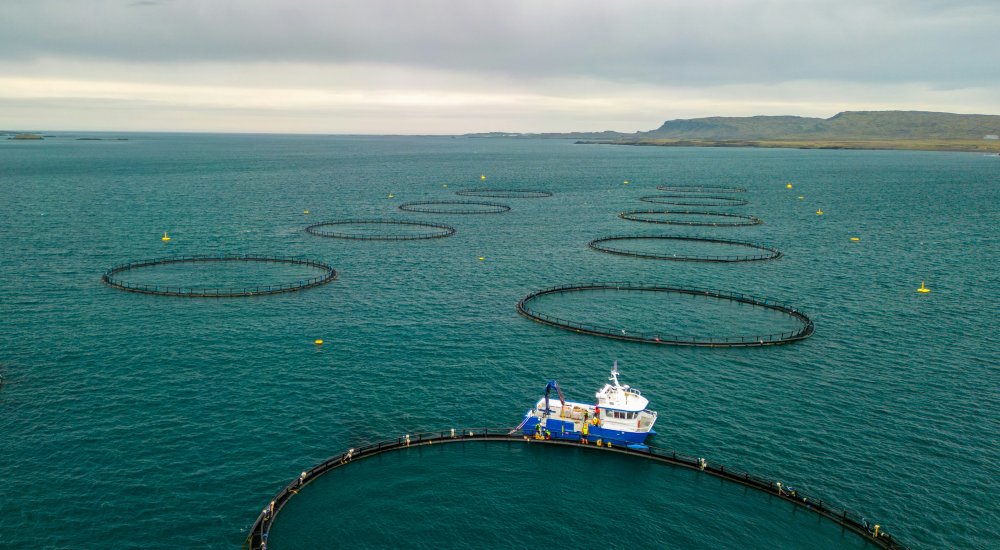
APPROPRIATE will focus on two empirical cases in particular: aquaculture and wind power. The post. Doc position is dedicated to the case of aquaculture . APPROPRIATE will work as a tight team where the PI will work with the project members on all the WPs, yet with clear distribution and responsibility of tasks. In addition to the PI and the postdoctoral fellow, the project will employ one PhD candidate.
More about the position
The postdoctoral fellow will have as its main responsibility WP1 on the case of aquaculture. Four research questions guide this WP: (1) How do licenses value the nature they set out to appropriate for societal ends? (2) How do economic reasoning and reasoning around the conditions of nature encounter and become weighed and valued against one another in licensing practices? (3) What are the economic and philosophical reasoning through which the licensing system is based and (4) how do this act upon the license-regime?
A more detailed description of the overall project and its theoretical foundations and methods can be retrieved by the PI, together with a more detailed outline of the work package on aquaculture. This will guide the applicants in developing their project proposal.
The post doctor will be collaborating closely with the PI and PhD candidate, including on other elements of the project proposal, such as workshops and dissemination activities.
A postdoctoral position is intended to help the successful candidate develop a research profile and competencies that qualify them to apply for a permanent position in academia. To this end, the main focus of this position is to conduct research, including publication and dissemination. In addition, the fellow is expected to actively contribute to the broader research agenda and academic environment of the APPROPRIATE project.
If the postdoctoral researcher does not already possess the teaching/pedagogical qualifications that meet the requirements for an associate professorship (incl. formal training), the department shall facilitate the acquisition of such qualifications during the employment period. Additionally, the position may provide other competencies relevant to the postdoctoral fellow’s future career.
To promote a strategic career path, all postdoctoral research fellows are expected to submit a career development plan, specifying career goals and the competencies that the postdoctoral fellow should acquire, no later than one month after commencement of the postdoctoral period. The department is responsible for ensuring that the plan is followed up and that the postdoctoral researcher has access to career guidance throughout the duration of the postdoctoral fellowship.
We offer
- Salary NOK 610 000 - 690 000 per annum depending on qualifications. From the salary, 2 percent is deducted in statutory contributions to the State Pension Fund.
- A pleasant and stimulating working environment.
- Attractive welfare benefits and a generous pension agreement, in addition to Oslo’s family-friendly environment with its rich opportunities for culture and outdoor activities.
- Practical support for international staff moving to Norway.
- Individual mentoring and annual career development conversation based on the submitted career plan.
- Various courses and workshops for supporting career development (e.g. on dissemination and presentation skills, op-ed writing, research project management, stress-management etc.).
Read more about the benefits of working in the public sector at Employer Portal.