Dumbarton Oaks Research Fellowships
Fellowships and junior fellowships are usually awarded for the academic year. During this time, fellows are expected to be in residence at Dumbarton Oaks and to devote full time to their study projects without undertaking any other major activities. Awards may also be made for the fall term or the spring term.
Fellowships are prorated for appointments shorter than the full academic year. Dumbarton Oaks anticipates that sabbatical salary or funds from other sources may supplement awards, particularly for fellows. Fellows may hold other grants with the knowledge and permission of both the grantors and Dumbarton Oaks and provided the terms do not conflict with the commitment of residence at Dumbarton Oaks.
Byzantine Studies Additional Guidance
Dumbarton Oaks invite scholars in Byzantine Studies whose innovative topics cover any aspect of society, culture, and art from roughly the fourth through the fifteenth century in the East Roman Empire and in successor and neighboring states. Whether under or beyond the traditional headings of art/archaeology, history, and literature/religion, we welcome research that questions fundamental aspects of visual, material, or intellectual production on local, interregional, or global scale. Topics related to Eastern Christian communities, beyond the territorial and chronological boundaries of the empire, are of particular importance; we continue a long tradition of nurturing studies on Christian Arabic, Armenian, Coptic, Ethiopic, Georgian, Old Church Slavonic, Syriac, and more.
From their inception, Byzantine Studies are international and inclusive. Their range can be assessed from the list of current and former fellows in Byzantine Studies; nevertheless, scholars are encouraged to develop proposals independent of precedent.
Applicants may want to consider how their proposals would profit from the resources available at Dumbarton Oaks. Specialized collections (Museum, Rare Book Collection, Coins and Seals, and Image Collection and Fieldwork Archives) complement our renowned library, which contains the most comprehensive listing of primary and secondary sources for Byzantium anywhere in the world (general library collection).
Garden and Landscape Studies Additional Guidance
In selecting fellows, Garden and Landscape Studies seeks a balance between historical research and investigations of current practice as well as between inquiries at the scale of the garden and those addressing larger landscapes. The program invites consideration of all aspects of this interdisciplinary and international field: agricultural, architectural, art historical, botanical, cultural, ecological, economic, geographical, horticultural, social, and technological. Complementing a traditional focus on the histories of gardens and landscape architecture, the program invites applicants to consider a broad range of topics, methods, and perspectives, including the impact of current environmental conditions, global urbanization, climate change, race, and gender.
Applicants may want to consider the suitability of their proposals to the resources available at Dumbarton Oaks and in Washington, D.C. The Rare Book Collection is especially rich in early printed materials on architecture, botany, horticulture, and various aspects of garden design. The general library collection has a wider scope and holds materials on gardens and landscape architecture throughout the world, together with works in environmental history, anthropology, cultural geography, and ethnobotany, including a fast-growing collection of Asian publications.
Fellowships have been awarded to scholars from all over the world and from a wide array of disciplines. The range of topics can be assessed from the list of current and former fellows in Garden and Landscape Studies; nevertheless, applicants are encouraged to develop proposals independent of precedent.
Pre-Columbian Studies Additional Guidance
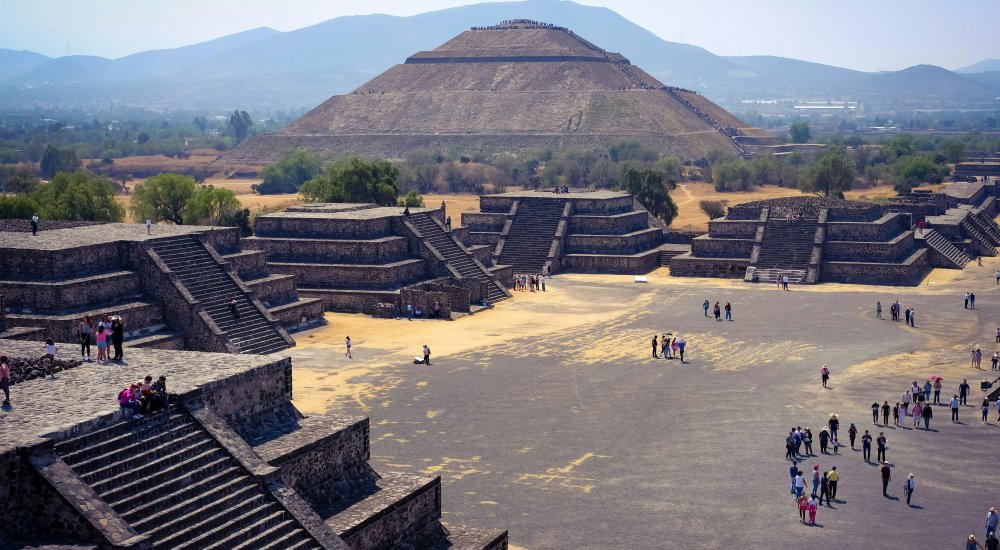
Pre-Columbian Studies supports research on the societies and cultures that thrived in the western hemisphere, from northern Mexico to southern South America, including the Caribbean, from the earliest times to the sixteenth century. The senior fellows invite innovative research proposals on the art and archaeology of the ancient Americas; applications from scholars working with historical or language resources are also welcome. Research that forefronts research questions in the humanities is given preference.
Academic year fellowships are particularly relevant to scholars who have their research data in hand and need access to our extensive library resources to work on their publications. Junior fellows who are still actively working on their dissertations are given preference over those with completed projects. Scholars who have recently received their PhD would benefit from a fellowship to expand their research.
We encourage submission of research proposals that require access to our collections, including the general and rare book collection, resources from the Image Collection and Fieldwork Archives, as well as the museum collection. Prospective fellows may also alert us to the usefulness of resources in other libraries and collections in the Washington, D.C. area for their research.
Fellowships have been awarded to scholars from the United States, Latin America, and Europe in the disciplines (and subdisciplines) of archaeology/anthropology, art history, history, area studies, religious studies, and linguistics, among others. The range of topics can be assessed from the list of current and former fellows in Pre-Columbian Studies; nevertheless, applicants are encouraged to develop proposals independent of precedent.
Eligibility
Fellowships are for individuals holding appropriate terminal degrees (e.g., PhD, MLA) at the time of the application deadline.
Junior fellowships are for degree candidates who at the time of application have fulfilled all preliminary requirements for a PhD or appropriate final degree and will be working on a dissertation or final project at Dumbarton Oaks under the direction of a faculty member at their own university.
- Graduate students who do not have the PhD in hand by the November 1 application deadline must apply as junior fellows. Successful applicants for junior fellowships who have the PhD in hand by the beginning of the fellowship term may be granted the status and stipend of fellows. For junior fellowships, preference will be given to candidates in the early stages of their dissertation.