Postdoc Traumascapes & International Crisis
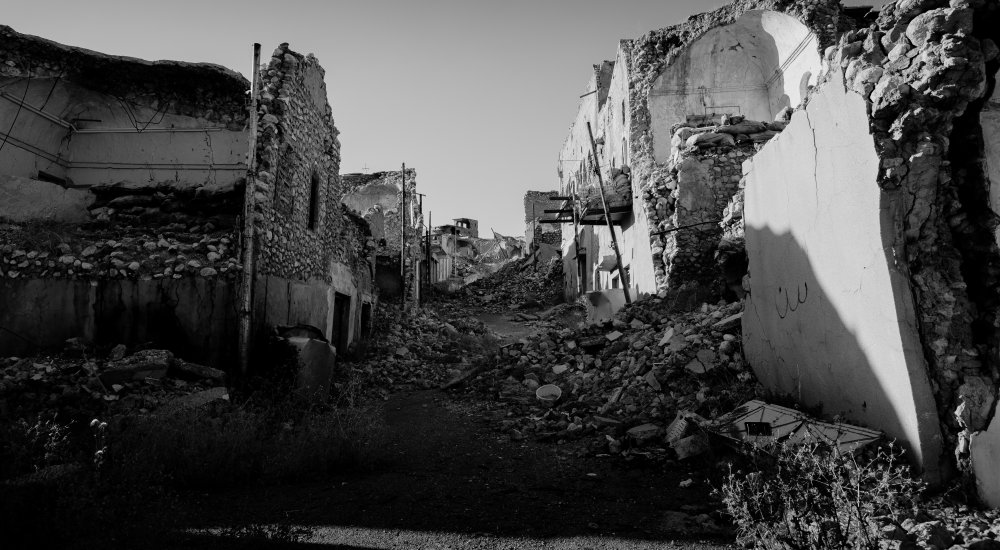
The NWA-NWO project ‘Traumascapes. Valuing, Negotiating and Sharing Sites of Trauma, Pain, and Loss’ has a vacant postdoc researcher position as part of the sub-project ‘traumascapes in times of international crisis’. This postdoc position is of great importance to the Traumascapes programme, as it situates Dutch and (post)colonial traumascapes within the broader international context of geopolitical crises and conflicts currently unfolding in the world. The Postdoc project will be part of the department of Arts and Culture (KC/ capaciteitsgroep Cultural Studies) and The Amsterdam School for Heritage, Memory and Material Culture, which is one of the five Research Schools within the Amsterdam Institute for Humanities Research. AHM is the research base for a broad spread of disciplines from heritage and memory studies to museum and cultural studies, Archaeology and material culture, conservation and restoration, media and art history. AHM researchers share an interest in the ways in which material and immaterial traces of past events and experiences influence the formation of present-day identities.
Postdoc Traumascapes & international crisis
The NWA-NWO project ‘Traumascapes. Valuing, Negotiating and Sharing Sites of Trauma, Pain, and Loss’ has a vacant postdoc researcher position as part of the sub-project ‘traumascapes in times of international crisis’. This postdoc project examines the impact of these international crises on the experience of, and social dialogue about, Dutch and (post)colonial traumascapes. In the face of global crises such as the wars in Gaza and Ukraine, migration, and systemic injustice, traumascapes in the Netherlands play a crucial role in connecting historical memory to contemporary international crises and societal challenges. Key Dutch collective memories, such as the Holocaust, resistance during the Second World War, and the colonial legacy of the Netherlands, particularly in Indonesia and Suriname continue to shape both national and international discourses of heritage, memory, and trauma. This means that considering Dutch traumascapes solely from a national perspective would limit the possible interpretations and meanings these places carry. Building on this transnational framing, the project approaches Dutch and (post)colonial traumascapes as sites of agonistic memory: spaces in which historical meaning is not settled but continuously negotiated, contested, and rearticulated (Hansen, Bull 2016). Rather than treating memory as a consensual or stabilising force, the project foregrounds contestation as a productive and constitutive element of democratic memory cultures, and equally destabilising of liberal norms. Traumascapes are understood not only as lieux de mémoire that commemorate past suffering, but as arenas in which conflicting interpretations, moral claims, and political demands coexist and come into tension. From this standpoint, memories of the Holocaust, colonial violence, and slavery cannot be fully integrated into a single, coherent narrative without obscuring the asymmetries of power, responsibility, and historical experience that continue to shape contemporary debates. Agonistic memory acknowledges these asymmetries while insisting on the legitimacy of conflict as a mode of engagement with the past. Within the Dutch context, such contestation is increasingly visible. Public debates around colonial monuments, apologies and reparations for slavery, the interpretation of resistance and collaboration during the Second World War, and the place of Holocaust memory in multicultural society reveal how traumascapes function as flashpoints for broader struggles over identity, belonging, and historical accountability. These struggles are further intensified by global developments, such as ongoing wars, migration flows, and international justice claims, which reframe local memory sites within wider geopolitical and moral horizons. The project, therefore, examines how Dutch traumascapes mediate this context rather than resolve it. In doing so, the project contributes to ongoing debates on democratic memory cultures by demonstrating how agonistic approaches to heritage and remembrance can foster critical engagement without collapsing into relativism or denial.
This is what we ask of you
Required:
- PhD in heritage and memory studies or a relevant field;
- Excellent research skills demonstrated by a track record of publishing in high-ranking journals and/or with leading presses or a demonstrable capacity to develop such a record;
- A strong cooperative attitude and willingness to engage in collaborative research, and capacity to writing funding grant proposals;
- Enthusiasm for communicating academic research to non-academic audiences;
- Excellent command of English (and preferably good command of Dutch;
- Excellent social, communication, and organizational skills.
Your application & contact
Questions?
For questions about the position or department, you can contact us during office hours at:
Prof. Ihab Saloul (i.a.m.saloul@uva.nl)
Project Leader and Research Director AHM
Department of Arts and Culture
Department Head: Prof. Julia Kursell
Application
If you recognize yourself in the profile and are interested in the position, we look forward to receiving your application. Please send your cover letter and CV as a single PDF file.
The vacancy closes on 21 March 2026. The first round of interviews will take place on 6 April 2026.
